Reviewing the Medical Lab Test Microscope Design
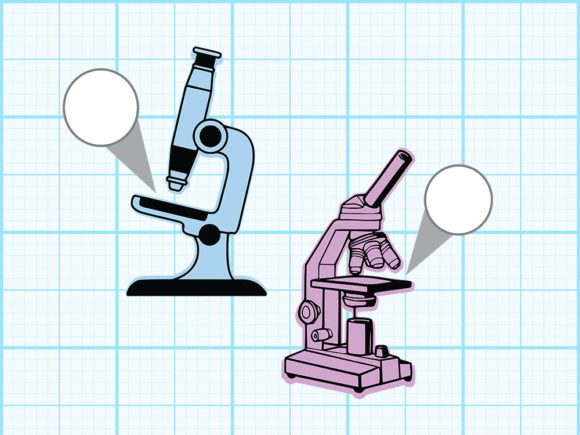
As a designer who spends more time staring at stitch maps than actual fabric, I have learned that not every digital asset translates well to thread. When I first pulled up the Medical Lab Test Microscope file, my immediate reaction was one of cautious optimism. In the world of Crafts and Graphics, scientific imagery can often feel sterile or overly complex for embroidery. However, this particular design strikes a balance between technical accuracy and decorative appeal, making it a viable candidate for several niche markets.
The visual personality of this design is clean and modern. It does not rely on excessive ornamentation, which is a relief. For an embroidery project, simplicity often equals durability. The lines are distinct, suggesting that the underlying vector paths are well-constructed. This matters immensely when you are trying to maintain clarity on textured fabrics or when scaling down for smaller items like baby clothes or patches.
Real-World Application: The Science Teacher’s Tote
To truly evaluate a design, I believe in putting it into a hypothetical but realistic scenario. Imagine a client who is a high school biology teacher. She wants a custom embroidered tote bag for carrying lab supplies and grading papers. She needs something professional yet playful, avoiding the childish clip-art aesthetic often found in educational merchandise.
Using the Medical Lab Test Microscope design here makes sense. Placed centrally on a heavy canvas tote, the design becomes a statement piece. Because the motif is recognizable and iconic, it communicates the wearer’s profession instantly without needing text. If I were stitching this, I would likely opt for a combination of satin stitch for the outline elements to give them a raised, tactile feel, and fill stitch for any larger solid areas to ensure coverage. The result would be a high-value handmade product that feels bespoke rather than mass-produced.
Performance Across Different Garments
Beyond tote bags, this design has versatility. For custom apparel, such as a navy blue sweatshirt, the design would pop beautifully if stitched in white or light grey thread. The contrast is key here. Scientific designs often rely on precision, so ensuring your thread colors stand out against the fabric texture is crucial. On a dark hoodie, a bright metallic thread could add a premium touch, turning a standard garment into a boutique item.
However, we must consider the limitations. If you are planning to use this on stretchy fabrics like performance wear or thin jersey t-shirts, you need to be careful. The design’s structural integrity depends on proper stabilization. Without a cut-away stabilizer, the weight of the stitches could cause the fabric to pucker, distorting the microscope’s shape. This is a common pitfall for new Etsy sellers who focus on the design file but neglect the physics of the finished product.
Navigating Technical Constraints
One aspect I always scrutinize is how a design handles small details. The Medical Lab Test Microscope includes intricate parts that represent the lens and adjustment knobs. In embroidery, tiny details can get lost if the stitch density is too high or if the needle size is inappropriate for the thread. Before committing to a final run, I strongly advise testing the design on scrap fabric. This allows you to check for thread breaks, nesting, or unclear definition in the smaller elements.
Additionally, consider the hoop size. If you are working with a 4x4 inch hoop, you may need to scale the design down significantly. While the provided formats include SVG and DXF files, which are great for cutting machines like Silhouette, the embroidery-specific files need to be checked for scalability. Does the design hold up when reduced to two inches wide? Or does it become a blob of thread? Always inspect the design at its smallest intended size to ensure the visual appeal remains intact.
Commercial Viability and Brand Consistency
For small business owners and craft entrepreneurs, the commercial potential of this design is significant. It fits neatly into several trending categories: STEM gifts, medical professional appreciation items, and laboratory-themed decor. An embroidered patch featuring this microscope could be sold as a standalone accessory or applied to aprons and lab coats for a cohesive brand look.
When creating digital embroidery files or finished goods for sale, consistency is vital. If you are building a shop around science-themed crafts, this design serves as a strong anchor. It signals professionalism and attention to detail. Buyers of personalized gifts often look for quality indicators, and a clean, well-stitched design builds trust. A messy or poorly digitized image can deter repeat customers, whereas a crisp execution encourages positive reviews and word-of-mouth referrals.
Practical Designer Notes
Before you load this into your machine, keep these practical tips in mind:
- Test on Scrap Fabric: Always run a test stitch-out to verify tension and density.
- Check Thread Contrast: Ensure your thread colors provide enough contrast against the fabric background for the details to be visible.
- Review Stitch Density: High density can cause puckering; adjust if necessary for lighter fabrics.
- Confirm Hoop Size: Make sure the design fits comfortably within your hoop with adequate margin.
- Inspect Small Details: Zoom in on the digital preview to ensure tiny elements are not too close together, which can cause thread merging.
- Use Proper Stabilizer: Match the stabilizer type to the fabric weight and stretch.
- Verify Licensing: Although the product includes various file formats, always confirm the license terms for commercial use before selling finished items.
The inclusion of multiple file formats, such as PNG transparent backgrounds and JPEGs, is useful for creating printable mockups or social media previews. These assets allow you to showcase the design digitally before stitching, helping you gauge customer interest. However, remember that a digital preview is not a substitute for a physical test. The way light hits satin stitch differs vastly from how it appears on a screen.
Final Thoughts on Usability
The Medical Lab Test Microscope is a solid addition to any designer’s library of science-themed graphics. It avoids the clutter that plagues many similar designs, offering a clean silhouette that translates well to thread. Whether you are creating holiday embroidery for a scientist friend, developing a line of custom apparel for a university department, or simply adding a unique touch to a baby’s nursery decor, this design offers flexibility.
Just remember that the success of the final product relies heavily on your execution. Choose your fabrics wisely, stabilize correctly, and respect the limits of your machine. When done right, this design elevates a simple item into a meaningful, professional-grade keepsake. It is a reminder that in the world of handmade products, thoughtful design choices lead to lasting customer satisfaction.