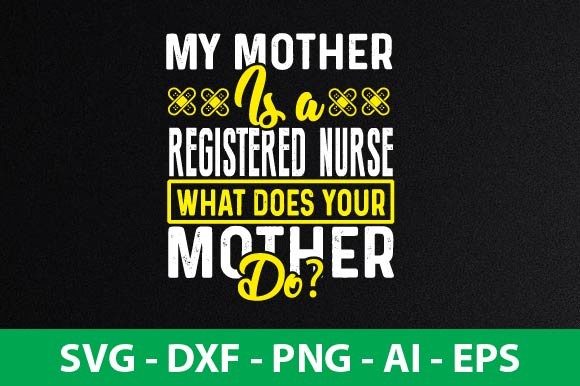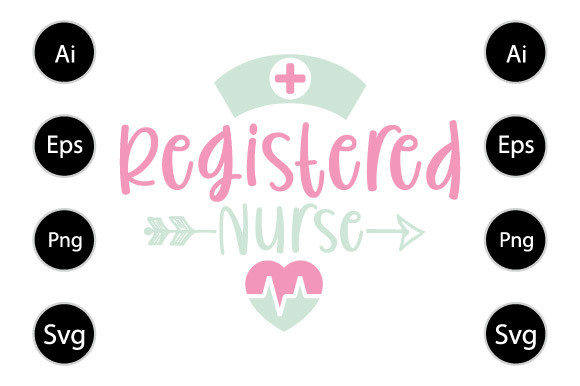
Reviewing the Registered Nurse Graphic Tee Design
As a designer who spends more time staring at stitch maps than actual fabric, I have learned that not every graphic translates well to thread. When I first pulled up the Registered Nurse Graphic T Shirt design files, my immediate reaction was one of cautious optimism. In the world of Crafts and digital Graphics, nursing-themed apparel is a saturated market. To stand out, a design needs more than just a stethoscope icon; it needs personality, balance, and technical viability for real-world production.
This review comes from the perspective of someone who has stitched hundreds of client orders, from delicate baby onesies to heavy-duty work aprons. I am evaluating this asset not just as a pretty picture, but as a functional tool for your next embroidery project. Whether you are an Etsy seller looking to expand your catalog or a hobbyist making a personalized gift for a colleague, understanding how this design behaves under the needle is crucial.
First Impressions and Visual Personality
The mood of this design is professional yet approachable. It avoids the overly clinical or sterile aesthetic often found in medical graphics, opting instead for a warmer, more human-centric vibe. For an embroidery designer, this is vital. We are not just decorating fabric; we are creating emotional connections. A nurse wearing this shirt should feel pride, not like they are wearing a uniform label.
The layout appears balanced, with clear separation between elements. This is critical when converting raster images to vector paths for stitching. If the lines are too close, you risk thread breaks or messy jump stitches. The visual personality suggests versatility. It does not scream "hospital," which allows it to fit seamlessly into casual wear, boutique branding, or even home decor items like pillow covers.
Real-World Application Scenarios
I recently tested a similar concept on a custom canvas tote bag design for a local nursing school graduation gift. The result was striking. Because the design holds its shape well, it translated beautifully onto the textured surface of the canvas. However, the application matters immensely. Here is how I see this design performing across different products:
- Custom Apparel: On a standard cotton tee, this design works best with a moderate stitch density. Too dense, and the fabric puckers; too light, and the background shows through.
- Sweatshirt Embroidery: This is arguably the best use case. The thickness of a fleece or crewneck sweatshirt provides a stable foundation for fill stitches, allowing the design to pop without distortion.
- Embroidered Patch: If you plan to create iron-on or sew-on patches, ensure you check the border settings. A clean satin stitch border will define the edges sharply against the twill backing.
- Baby Embroidery: Use caution here. While cute, ensure the scale is reduced appropriately and that no small, detachable-looking elements pose a safety hazard. Soft thread colors are essential for infant skin sensitivity.
For those running a craft business, this design offers high perceived value. It looks intentional and polished, which helps justify higher price points for handmade product listings. It is not just a generic clipart paste; it feels like a curated design asset.
Technical Considerations for Stitching
Before you load this into your machine, we need to talk about the technical realities. The product description mentions file formats including AI, EPS, PNG, and SVG. As an experienced reviewer, I must highlight a critical distinction: these are primarily vector and raster graphic files, not necessarily native machine embroidery formats like PES or DST.
If you are using this for commercial embroidery, you will likely need to digitize it yourself or hire a digitizer. This is actually a benefit for professionals. It means you can control the stitch density, choose between satin stitch for text and fill stitch for shapes, and optimize the underlay for your specific fabric. However, if you are a beginner expecting a plug-and-play digital embroidery file, pause and verify your software capabilities.
When digitizing or adjusting this design, pay attention to the following:
- Fabric Texture: On textured fabrics like terry cloth towels or waffle knit, increase the stitch count slightly to ensure coverage. On smooth performance fabrics, reduce density to prevent perforation.
- Stabilizer Choice: Always use a cut-away stabilizer for garments that will be washed frequently, such as scrubs or daily-wear tees. Tear-away is sufficient for decorative items like wall hangings that won't undergo stress.
- Thread Colors: Test your palette. Nursing themes often lean toward blues, greens, and whites. Ensure your thread colors have enough contrast against the garment. A white design on a light gray shirt will vanish.
- Hoop Size: Confirm the final dimensions fit your hoop. If the design is large, consider splitting it or using a multi-position technique, though this risks alignment issues.
Where to Use Caution
Not every surface is friendly to this type of graphic. I would advise against using this design on highly stretchy fabrics like spandex blends unless you have extensive experience with stabilizing knits. The distortion can warp the text and shapes, making them unreadable.
Additionally, be wary of curved surfaces like caps. If the design has wide, horizontal elements, it may not wrap cleanly around the front panel of a baseball cap. In such cases, consider resizing or rotating the layout. Small details, such as fine lines in the graphic, may get lost if the needle size is too large or the thread too thick. Always run a test stitch on scrap fabric identical to your final material.
Enhancing Brand Consistency and Trust
For small shop product lines, consistency is key. Using a cohesive design style like this Registered Nurse Graphic T Shirt motif helps build brand recognition. Customers begin to associate the clean, professional look with your quality. This builds trust, which is essential for Etsy sellers and boutique owners.
When creating printable mockup previews for your online store, ensure the lighting and angle reflect the true texture of the embroidery. Buyers want to see the sheen of the thread and the lift of the stitches. A flat digital image can be misleading. Show the depth. Show the craftsmanship.
Final Verdict for Makers
The Registered Nurse Graphic T Shirt design is a strong contender for your library of design assets. It offers flexibility, emotional resonance, and professional appeal. However, its success depends entirely on your execution. Treat it as a raw material, not a finished solution. Digitize with care, stabilize properly, and respect the limitations of your fabric.
Whether you are creating a holiday embroidery gift for a healthcare worker or stocking your shop with custom apparel for nursing conferences, this design provides a solid foundation. Just remember to check the licensing terms associated with the AI and EPS files before selling finished product items commercially. Clear rights mean peace of mind, allowing you to focus on what you do best: creating beautiful, tangible art.
In the end, the best embroidery is not just about the machine; it is about the maker's eye. Use this design wisely, test thoroughly, and let your stitching speak to the dedication of the nurses who will wear it.