Nurse Nutrition Facts: A Designer’s Stitch Review
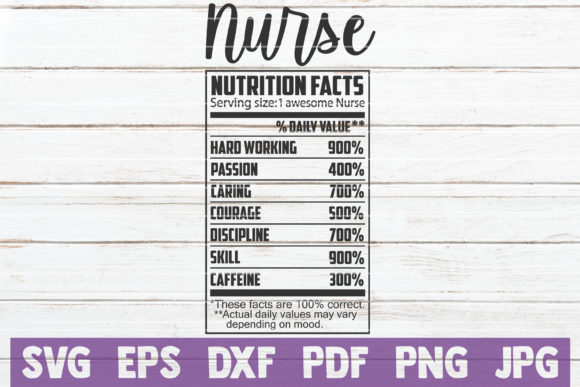
As someone who has spent years staring at digitized files and watching needles dance across fabric, I have developed a keen eye for what works in the hoop and what ends up as a tangled mess of thread. When I first opened the Nurse Nutrition Facts design, my immediate reaction was one of appreciation for its clever thematic blend. It is not just another medical cross or stethoscope motif; it plays on the familiar "Nutrition Facts" label layout but tailors it specifically for the nursing profession. This kind of wit resonates deeply with healthcare workers, making it a prime candidate for personalized gifts and boutique merchandise.
First Impressions and Visual Personality
The mood this design creates is lighthearted yet professional. It captures the busy, essential nature of nursing through a lens of humor that is safe for workplace wear. Visually, the layout mimics the structured, linear look of a food label, which translates surprisingly well to embroidery if handled correctly. The rectangular shape provides a clear boundary, helping the design feel contained and intentional rather than floating aimlessly on the garment. For those of us in the Crafts and Graphics space, we know that structure is key to readability. The text-heavy nature of this piece means that clarity is paramount. If the lines are too close or the font too thin, the joke gets lost in the stitching.
Real-World Application: The Custom Tote Scenario
To truly evaluate Nurse Nutrition Facts, I imagined a real-life project: a custom embroidered tote bag for a graduating nursing student. Tote bags are sturdy, flat, and offer a generous canvas, making them ideal for this type of graphic-centric design. In this scenario, the design acts as the focal point. I pictured it stitched in crisp white thread against a navy blue canvas tote. The contrast would be sharp, ensuring every line of the "ingredients" list is legible from a distance. This is where the design shines—it becomes a conversation starter at clinical rotations or a proud statement piece for a new nurse.
Beyond totes, this design fits seamlessly into custom apparel. Imagine it on the left chest of a scrub top or centered on the back of a sweatshirt. For sweatshirt embroidery, the texture of the fleece can sometimes swallow small details, so this design requires careful attention to stitch density. It is not an applique design, so there is no fabric layer to hide behind; every element must be stitched with precision. This makes it a strong choice for those who want a clean, professional look without the bulk of additional materials.
Technical Considerations for Embroiderers
When working with a text-based machine embroidery design like this, technical execution is everything. The download includes 1 DXF file, 1 PDF file, 1 SVG file, 1 PNG file 300ppi with transparent background, 1 JPG file, and 1 EPS file. While these formats are excellent for digital mockups and printable assets, the actual embroidery file compatibility depends on your machine. Always verify that the specific embroidery format you need (such as PES, DST, or JEF) is available or convertible before purchasing.
One critical aspect to consider is stitch density. Text designs often suffer from being too dense, which can cause puckering, especially on thinner fabrics like jersey knits used in t-shirts. I recommend testing the design on scrap fabric first. Use a cut-away stabilizer for stretchy materials to ensure the design remains stable after washing. For woven fabrics like twill or canvas, a tear-away stabilizer might suffice, but given the potential size of this label-style design, extra support is never a bad idea.
Thread color choice plays a massive role here. While black thread on white fabric is the classic "nutrition label" look, consider using hospital-themed colors. A soft teal or surgical green thread on a white background can soften the look while maintaining readability. Avoid using similar shades for the border and the text, as this will blur the details. High contrast is your friend when dealing with small lettering.
Navigating Challenges: Small Hoops and Curved Surfaces
While Nurse Nutrition Facts is versatile, it does have limitations. Placing this design on curved surfaces like caps or hats requires caution. The rigid rectangular shape may distort if the hoop tension is not perfect, or if the cap’s curvature is too steep. If you attempt this, use a smaller version of the design if available, or ensure your digitizing software has adjusted the pull compensation for curved surfaces. Similarly, avoid placing it on areas with high stretch or seam interference.
For baby embroidery, such as onesies or bibs, the detail level might be too high. Tiny letters can become illegible if scaled down too far. If you plan to use this for infant items, ensure the design is large enough to maintain clarity, or consider using it on a larger item like a receiving blanket where the scale can be preserved. Always inspect small details in a preview mode before hitting the start button on your machine.
Commercial Value and Brand Consistency
For Etsy sellers and small shop owners, this design offers significant commercial potential. It taps into a niche market—nurses—who are often underserved by generic gift shops. A well-executed finished product featuring this design can command a higher price point because it feels personalized and thoughtful. Whether you are creating holiday embroidery gifts for hospital staff or year-round boutique products, the relatability of the design drives buyer engagement.
However, professionalism is key. Sloppy stitching or poor thread choices can undermine the humor and make the product look cheap. Ensure your brand consistency by using high-quality threads and neat backing removal. Customers trust handmade products that look durable and well-crafted. Use the included PNG and JPG files to create attractive printable mockups for your online listings, showing the design on various products to help customers visualize the final result.
Final Verdict for Craft Entrepreneurs
In conclusion, Nurse Nutrition Facts is a strong addition to any embroidery designer’s library. It balances humor with a clean, graphic aesthetic that translates well to stitch. It is particularly effective for tote bag designs, sweatshirt embroidery, and personalized gifts for healthcare professionals. Remember to check the license terms provided with the download to confirm whether it allows for commercial use of finished items. Test your tension, choose your stabilizer wisely, and let the design speak for itself. With the right execution, this graphic can become a best-seller in your craft business, appealing to both hobbyists and professional apparel decorators alike.