Dad Lover, Nurse Gift Shirt: A Designer’s Review
When I first pulled up the Dad Lover, Nurse Gift Shirt file on my workstation, I wasn’t just looking at a digital asset; I was visualizing the final stitch-out. As an embroidery designer who has spent years troubleshooting tension issues and optimizing digitized files for real-world production, I approach every new design with a critical eye. This particular piece, categorized under Crafts and Graphics, promises a heartfelt message for a specific niche: the proud parent of a correctional nurse. But does it hold up under the needle?
First Impressions and Visual Personality
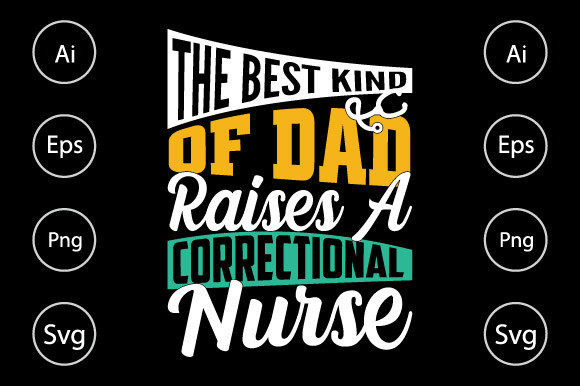
The immediate mood of this design is warm yet resilient. It balances the softness of familial love with the tough, often misunderstood reality of correctional nursing. Visually, the layout feels balanced, avoiding the clutter that plagues so many generic gift designs. For an embroidery project, clarity is king. If the lines are too thin or the shapes too complex, the thread will merge, and the message will be lost. From what I can see in the preview, the spacing appears generous enough to allow for proper stitch definition, which is crucial when moving from a screen to fabric.
This isn’t just a pretty picture; it is a functional machine embroidery design intended for commercial or personal use. The theme resonates deeply with a specific audience, making it a high-value item for Etsy sellers and small shop owners who specialize in personalized gifts. The visual personality suggests durability and pride, two qualities that translate well into stitched formats.
Real-World Application: The Sweatshirt Test
To truly evaluate this design, I imagined a real-life scenario. A client approaches me with a request for a custom holiday gift for her father. She wants something he can wear proudly to family gatherings. I envision placing this design on a heavyweight cotton-blend sweatshirt. The sweatshirt embroidery market is saturated, but niche-specific designs like this cut through the noise.
On a textured fabric like fleece or French terry, the design needs to stand out without sinking into the pile. The bold nature of the text and accompanying graphics in the Dad Lover, Nurse Gift Shirt file suggests it would handle a fill stitch background well, providing contrast against the fabric texture. However, I would caution against using overly dense stitching if the garment is intended for all-day wear. Comfort is part of the product value.
Alternatively, consider a tote bag design. Canvas bags are popular for craft business merchandise because they are durable and easy to hoop. The sturdy weave of canvas supports heavier stitch counts, allowing the design to pop with vibrant thread colors. This could be a bestseller at local craft fairs or as part of a boutique branding package for healthcare professionals.
Navigating Technical Challenges
While the design is promising, there are areas where caution is necessary. Any experienced embroiderer knows that small details can become nightmares on certain materials. If you plan to use this on a cap or a curved surface, you must check the hoop size compatibility. Curved surfaces distort designs, so elements that look straight on screen might appear warped after stitching. I recommend testing the design on a scrap piece of similar fabric before committing to the final product.
Another critical factor is stitch density. Without seeing the actual digitized file parameters, I cannot confirm the exact stitch count, but visually dense areas may require careful management. On thin or stretchy fabrics, such as those used for baby embroidery or lightweight tees, high-density stitching can cause puckering. In these cases, using a high-quality stabilizer is non-negotiable. A cut-away stabilizer might be best for garments that will undergo frequent washing, ensuring the design remains flat and professional.
Dark fabrics present another challenge. If the design includes light-colored elements, you must ensure there is sufficient contrast. Sometimes, a white underlay is necessary to prevent the fabric color from bleeding through the stitches. I always advise running a test on black fabric to check for visibility and cleanliness of the edges.
File Formats and Versatility
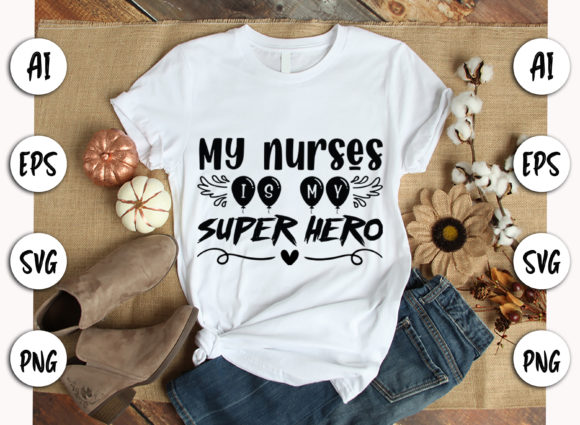
The product description mentions availability in AI, EPS, PNG, and SVG formats. For embroidery specifically, these vector and raster files serve different purposes. The SVG and EPS files are excellent for creating printable mockups or for use with cutting machines if you are combining embroidery with applique. The PNG with a transparent background is invaluable for digital previews on your Etsy listing, allowing customers to visualize the design on various product colors.
However, remember that these are graphic files, not necessarily native embroidery machine files (like PES or DST). You will likely need to digitize these graphics into an embroidery file compatible with your machine, or ensure that the provider offers pre-digitized versions. If you are digitizing it yourself, pay attention to the satin stitch widths for any lettering. Too wide, and the threads may snag; too narrow, and the coverage will be sparse.
Commercial Viability and Brand Trust
For commercial embroidery projects, consistency is key. Using a design like Dad Lover, Nurse Gift Shirt can enhance brand trust if executed professionally. Customers associate clean, crisp stitching with quality. Sloppy edges or thread breaks damage reputation. By taking the time to optimize the design for your specific machine and fabric, you elevate the perceived value of the finished product.
This design fits well into categories like holiday embroidery or appreciation gifts. It is not just a handmade product; it is a token of respect for a challenging profession. That emotional connection drives buyer engagement. When customers feel that a product speaks directly to their experience, they are more likely to share it on social media, providing organic marketing for your small shop product line.
Practical Designer Notes
- Test First: Always stitch out on scrap fabric identical to your final material. Check for puckering, thread breaks, and registration issues.
- Check Contrast: View the design in black and white to ensure the elements are distinct. This helps identify potential visibility issues on dark fabrics.
- Stabilizer Choice: Match your stabilizer to the fabric weight. Heavy fabrics may need less support, while knits require robust stabilization to prevent distortion.
- Licensing Verification: Before selling items made with this design, confirm the license terms. Ensure you have the right to use it for commercial embroidery and not just personal projects.
- Thread Quality: Use high-quality rayon or polyester threads to maintain sheen and durability, especially for items that will be washed frequently.
In conclusion, the Dad Lover, Nurse Gift Shirt design offers strong potential for custom apparel and personalized gift markets. Its success lies in the execution. By respecting the technical demands of embroidery—such as hoop size, stitch density, and fabric choice—you can transform a digital graphic into a tangible, cherished item. Whether you are an appliqué design enthusiast or a veteran of running stitch detailing, this design invites you to create something meaningful. Just remember: the magic happens in the details, so stitch with intention.